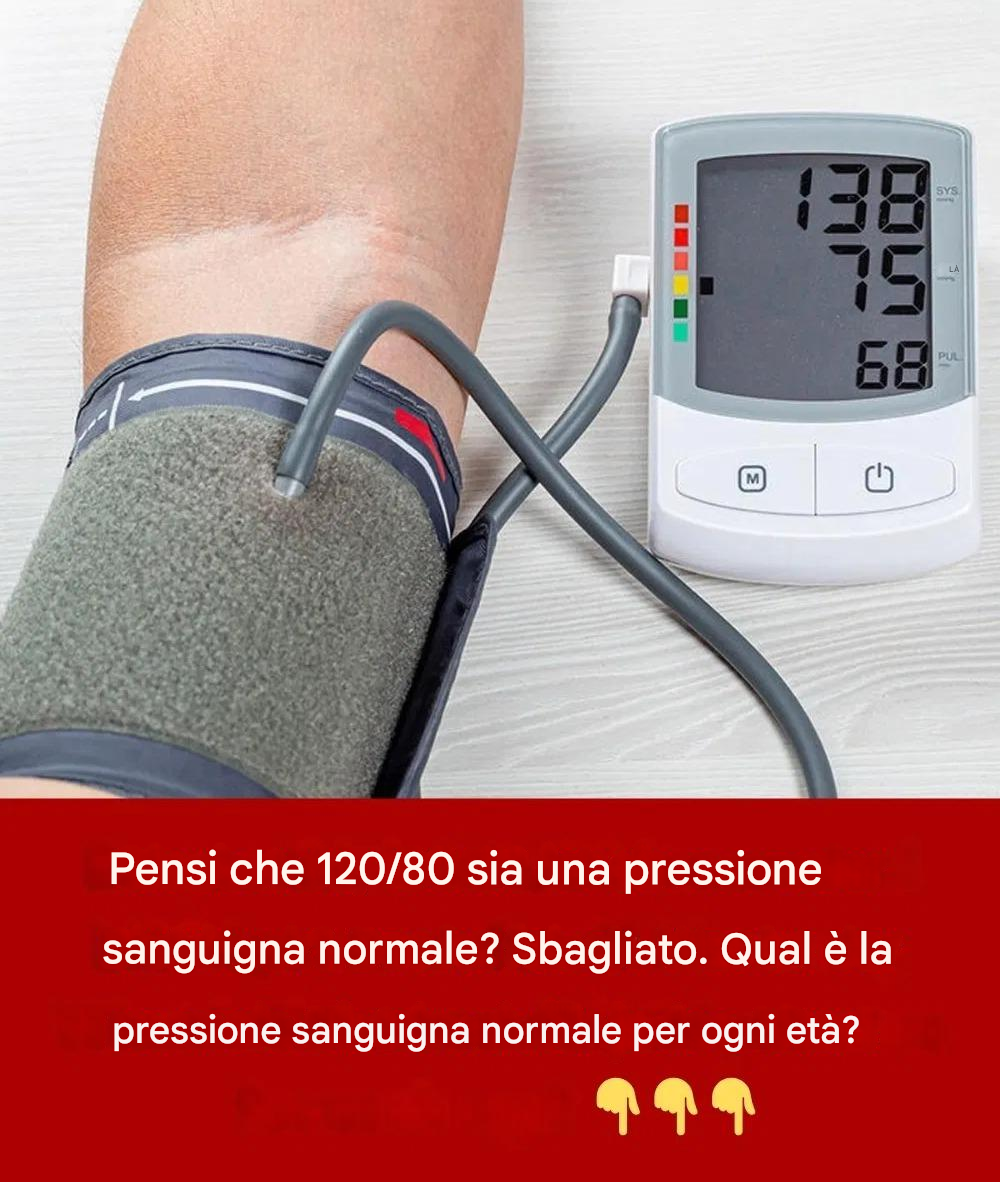
Below you will find the average blood pressure for children and adolescents:
| Old | Systolic (maximum number) mm Hg | Diastolic (bottom number) mm Hg |
|---|---|---|
| Newborns up to 1 month of age | 60–90 | 20–60 |
| small children | 87–105 | 53–66 |
| small children | 95–105 | 53–66 |
| Preschool children | 95–110 | 56–70 |
| School-age children | 97–112 | 57–71 |
| youth | 112–128 | 66–80 |
In adulthood, average blood pressure varies with age and gender:
| Old | Women | Men |
|---|---|---|
| 18–39 years old | 110/68 mmHg | 119/70 mmHg |
| 40–59 years | 122/74 mmHg | 124/77 mmHg |
| 60+ years | 139/68 mmHg | 133/69 mmHg |
How age affects blood pressure
The risk of developing high blood pressure (hypertension) increases significantly with age. Here are the reasons:
- Stiffer arteries: As we age, arteries lose elasticity. This can restrict blood flow, resulting in increased blood pressure.
- Plaque formation: Over time, fatty deposits can build up in blood vessels, further restricting blood flow and increasing blood pressure.
- Hormonal and kidney changes: As we age, the regulation of fluid and mineral balance in the body can change, which in turn affects blood pressure.
These changes make high blood pressure a major risk factor for heart attacks, strokes, and vascular dementia in older adults.