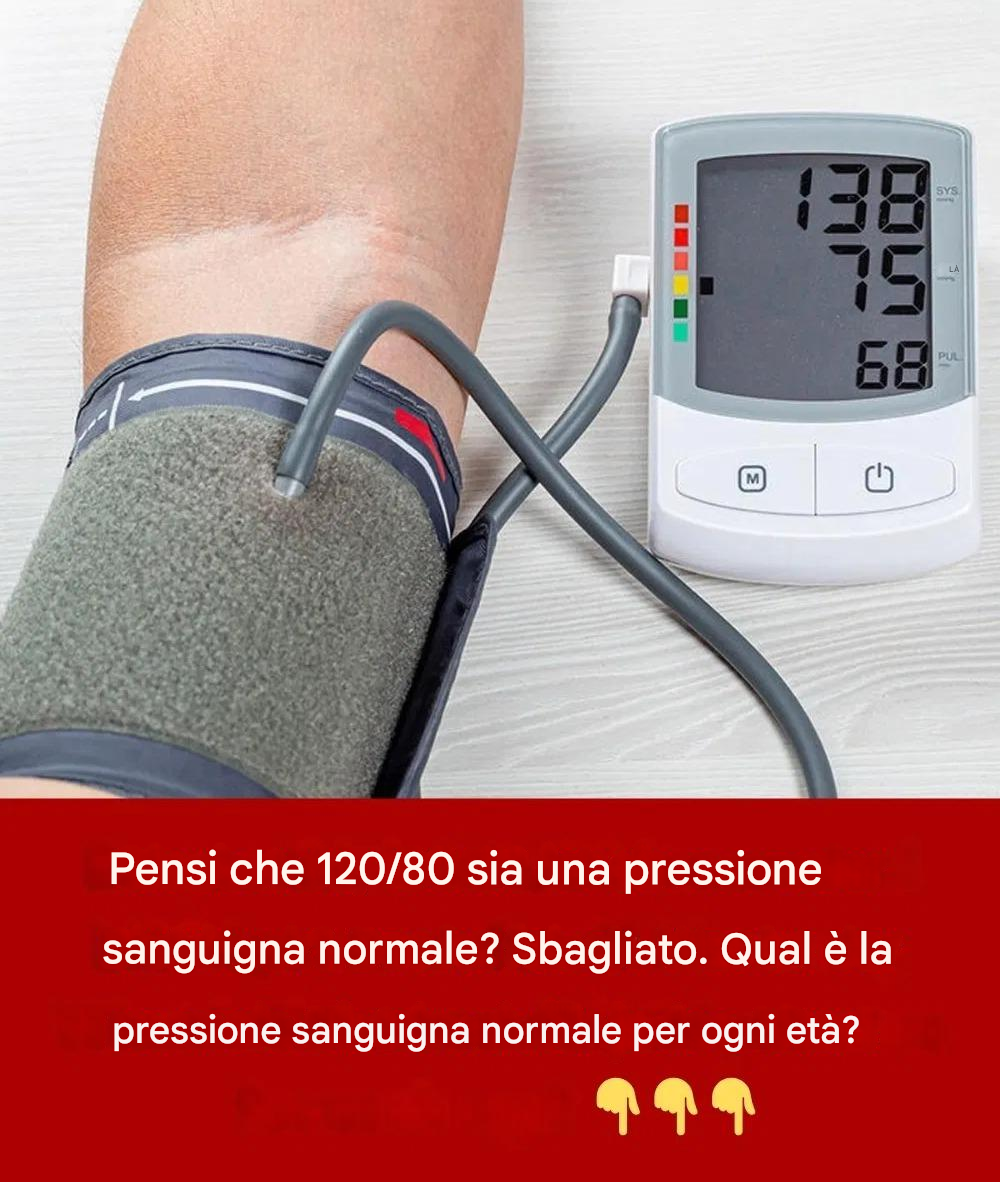
Blood pressure isn't just a number your doctor checks during your annual checkup: it's a crucial indicator of heart health. And as we age, this measurement becomes more important than ever.
Knowing how your blood pressure changes over time and what's considered healthy for your age group allows you to take proactive steps to protect yourself from serious conditions like heart disease, stroke, and kidney problems.
Why Blood Pressure Matters
Blood pressure is the force with which blood pushes against the artery walls as the heart pumps it through the body. It is one of the most significant indicators of cardiovascular health and an important factor in identifying risks before they become crises.
While ideal blood pressure is often cited as around 120/80 mmHg, what is considered “normal” can vary slightly depending on age, medical history, and other individual factors.
For most people, the following is a guideline.
| Bl0d Print | Systolic (maximum number) mm Hg | Diastolic (bottom number) mm Hg |
|---|---|---|
| Bass | Less than 90 | Less than 60 |
| Optimal | Less than 120 | Less than 80 |
| Normal | 120–129 | 80–84 |
| Normal to high | 130–139 | 85–89 |
| High | Bigger than 140 | Bigger than 90 |
A blood pressure reading of around 120/80 mm Hg is often considered a typical value.