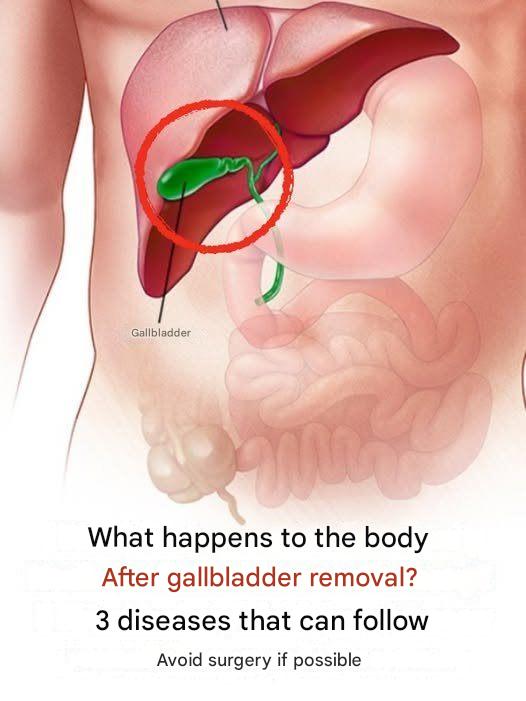
Should the gallbladder be removed if gallstones are found?
Whether gallbladder removal is necessary depends on the type of gallstones and the severity of the symptoms. If the stones are small and do not cause significant discomfort, doctors usually recommend conservative treatment with regular checkups.
However, if gallstones cause severe symptoms or complications such as cholecystitis or cholangitis, or if the stones are too large or too numerous, the doctor may recommend removal of the gallbladder.
In summary, the need for gallbladder removal depends on the type of gallstones, the severity of symptoms, and other related factors.
How does the body change after gallbladder removal?
1. Impaired fat digestion:
One of the main functions of the gallbladder is to store bile, which contains cholesterol and bile salts that aid in fat digestion. Without a gallbladder, the storage and release of bile are impaired, making fat digestion and absorption more difficult.
2. Digestive problems:
Because bile promotes fat absorption and the gallbladder serves as its storage, its removal leads to a continuous rather than intermittent release of bile into the duodenum. This change can impair digestion and cause bloating and belching.
3. Disruption of the gut bacteria balance
: Bile contains antimicrobial components that help maintain gut health. Without a gallbladder, bile flow changes, which can disrupt the balance of gut bacteria and increase the risk of intestinal infections and inflammation.
4. Bile reflux:
Removal of the gallbladder can cause bile to flow quickly back into the stomach (bile reflux), which can cause stomach problems. The high acidity and bile salt content of the bile can irritate the stomach lining and thus cause discomfort.
5. Dietary changes:
Some people suffer from bile reflux after surgery, which causes symptoms such as nausea and heartburn. To alleviate these symptoms, they should reduce their intake of fatty foods, especially fried and highly spiced foods, while increasing their fiber intake and avoiding overeating and alcohol consumption.
6. Sleep Disorders
The main consequence of gallbladder removal is impaired fat digestion and absorption. However, since this varies from person to person, some people suffer from sleep disturbances after the operation, such as poor sleep quality, anxiety, and insomnia. Fortunately, sleep quality can be improved with appropriate adjustments.
3 possible secondary illnesses – avoid surgery if possible: