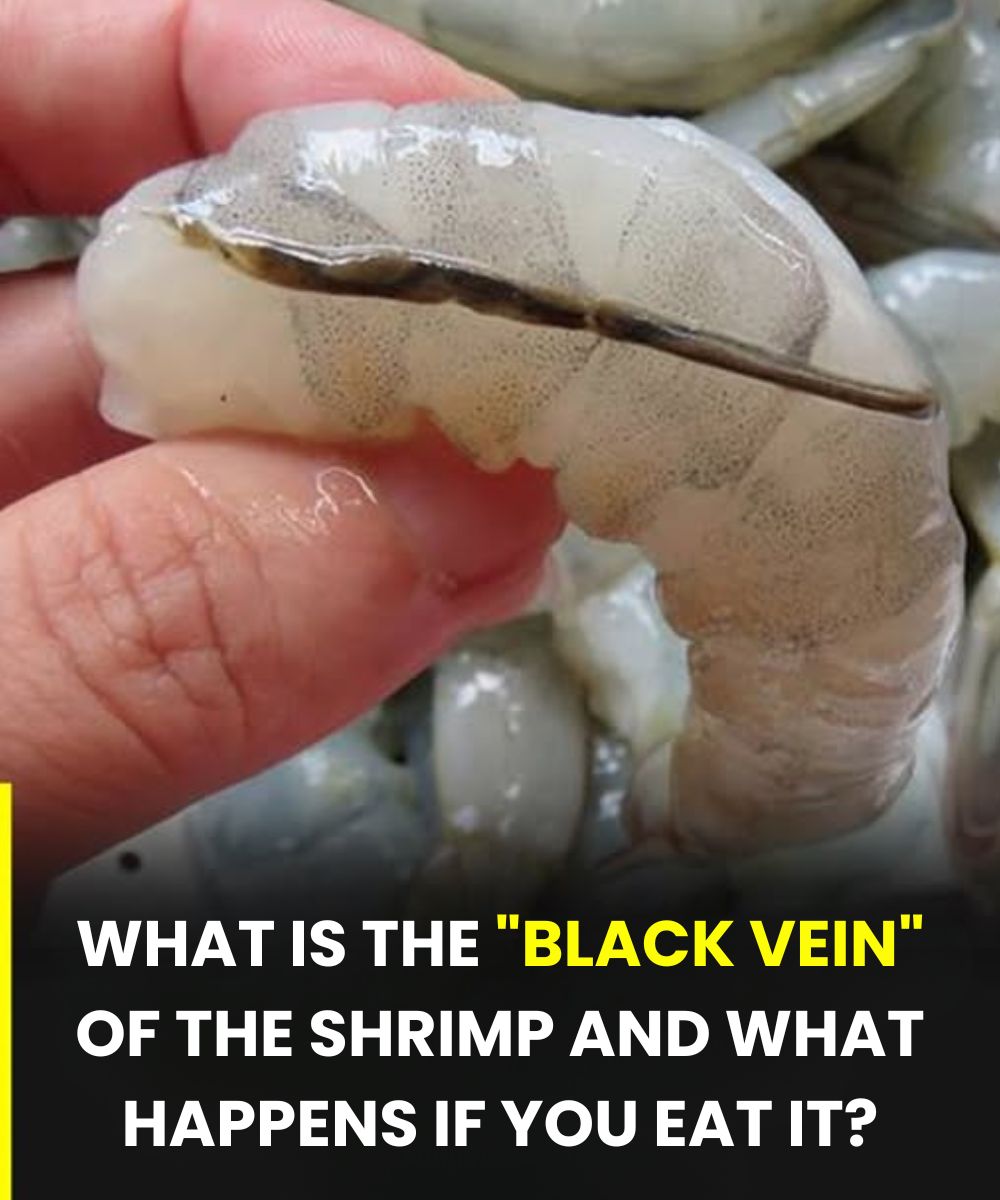
Shrimp is one of the most valued ingredients in cuisines around the world. Its delicate flavor and tender texture make it ideal for both everyday meals and elegant dishes. However, one small detail often raises questions among home cooks and professionals alike—the dark line running along the shrimp’s back, commonly called the “vein.”
What Is the “Vein” in Shrimp?
Despite its name, the shrimp’s “vein” is not a vein at all. It is actually the shrimp’s digestive tract, or intestine. This runs along the upper part of the body and may contain remnants of what the shrimp consumed before being caught, such as algae, plankton, or tiny particles from its environment.
Because of this, the line often appears dark brown or black, depending on its contents.
Is It Dangerous to Eat Shrimp Without Removing the Vein?
From a food safety perspective, eating shrimp with the digestive tract intact is generally safe—as long as the shrimp is fresh and properly cooked. High cooking temperatures eliminate harmful bacteria and significantly reduce health risks.
However, safety is only one factor. Flavor, texture, and overall enjoyment also matter.
How the Vein Affects Taste and Texture
Many chefs and experienced cooks recommend removing the vein because it can affect the eating experience. When left in place, some people notice a slightly bitter taste or a gritty texture, especially in grilled, fried, or sautéed shrimp.
Removing it usually results in a cleaner, smoother flavor and a more pleasant bite.
How to Devein Shrimp Easily
Deveining shrimp is a simple process that requires no special tools:
With raw shrimp, make a shallow cut along the back and gently lift out the vein using the tip of a knife or a toothpick.
It can also be done after cooking and peeling, though the shrimp will be firmer and slightly harder to work with.
Do All Shrimp Need to Be Deveined?

Not necessarily.