
Finding mysterious objects in Grandma’s house can be like discovering a small treasure chest of history. What you’ve discovered are likely thimbles —small tools with a surprisingly rich and fascinating history. While they may seem simple, these tiny objects have played a significant role across cultures and throughout history, evolving from practical tools to beautiful collectibles.
More Than Just a Sewing Tool: The Journey of the Thimble
The history of the thimble is long and interesting. The first thimbles were discovered in sites like ancient Pompeii, dating back to the 1st century AD. These early versions were often made of simple, durable bronze and had one main purpose: to protect a sewer worker’s finger from a sharp needle.
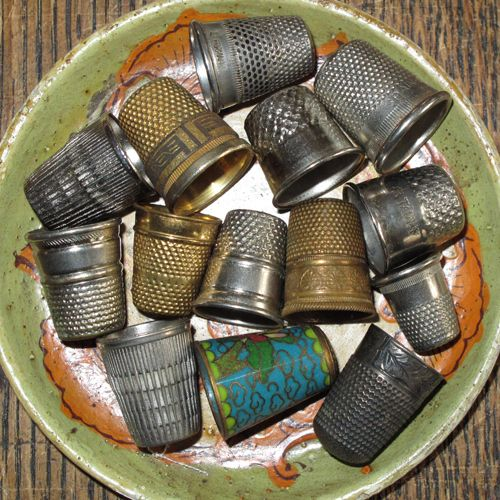
Over time, thimbles began to take on more creative and decorative forms. In medieval Europe, they were made from a variety of materials, such as leather, wood, and various metals. In the 14th century, Nuremberg, Germany, became famous for its exquisitely crafted brass thimbles. Over time, thimbles evolved into luxury items. In the 17th century, stunning silver and gold thimbles were created, often adorned with beautiful enamel and precious stones.
From practical tools to cultural icons
To see the full cooking instructions, go to the next page or click the Open button (>) and don’t forget to SHARE it with your friends on Facebook.