Causes and Risk Factors of Epidermoid Cysts
Epidermoid cysts can form for several reasons. They commonly develop when a hair follicle becomes blocked or after minor skin injuries. Certain genetic disorders, such as Gardner syndrome, can raise the risk of developing these cysts. People with acne or other chronic skin conditions may also be more susceptible. Although anyone can develop an epidermoid cyst, they occur more often in adults than in children and are seen more frequently in men than in women.
Symptoms and Diagnosis of Lumps and Cysts
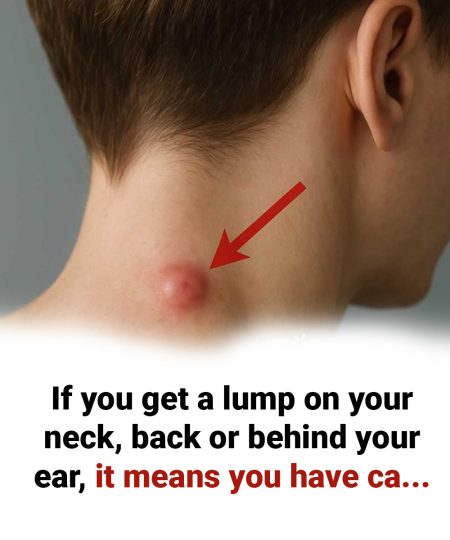
The most common sign of an epidermoid cyst is a small, rounded lump beneath the skin. These cysts are typically painless, but if they become infected, they may turn red, swollen, and tender. In some cases, a thick, unpleasant-smelling discharge can leak from the cyst. Diagnosis is usually made through a physical exam by a healthcare professional. If there is uncertainty, a biopsy may be performed to rule out other conditions, including cancer. Imaging tests such as ultrasound or MRI may also be used to evaluate the cyst’s size and depth.
Common Home Remedies People Try for Lumps
Some people choose to use home remedies to manage lumps, though these approaches are not scientifically proven. Commonly used options include:
Warm Compress
How to use: Soak a clean cloth in warm (not hot) water, wring it out, and place it on the lump for 10–15 minutes, three to four times daily.
Purpose: May improve blood flow, reduce swelling, and encourage drainage if the lump is caused by a blocked gland or mild infection.